


CNC milling is one of the machining processes distinguished by exceptional precision. What is CNC milling? How does it work, and which materials can undergo this type of machining?
What is CNC milling?
CNC is a machining method that uses computerized numerical control systems. The computer can be configured to meet the exact needs of the process. CNC milling can be divided into three stages:
– creating a digital design,
– processing the design,
– machining the material.
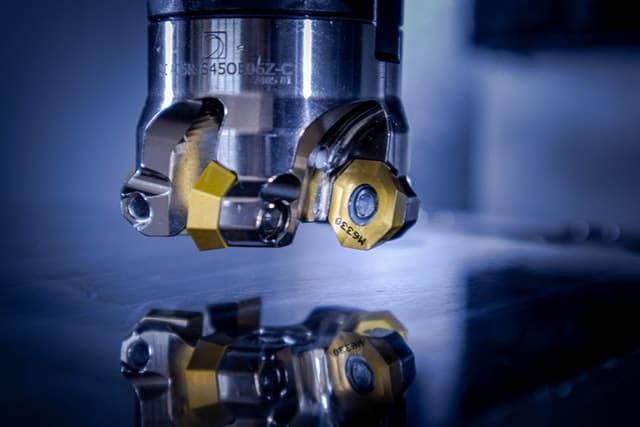
Thanks to CNC, machining is perfectly suited for flat surfaces as well as channels, gear teeth, grooves, or contoured surfaces. The tools used in CNC machining perform a feed motion. Depending on the characteristics of the process, this movement may also be performed by the machined workpiece.
CNC milling is a fully automated process, which is why the resulting effects are extremely precise. This makes the method highly popular in many manufacturing facilities.
Why choose CNC machining?
CNC machining makes it possible to precisely produce even the most complex shapes. The automated process allows for fast and efficient achievement of the desired outcome—something that is not always simple with many traditional methods.
The most significant advantages of CNC milling include:
high precision,
perfect reproduction of design specifications,
repeatability of components (while maintaining proper production quality),
reduced material waste (thanks to the precision of the process),
flexibility of the production line,
ability to work with various types of materials.
Which materials can be machined with CNC milling?
CNC is an ideal method for secondary processing, allowing for perfect finishing of components. It is a universal process with a very wide application range, making it suitable for many non-standard projects.
CNC machining can be used on many materials, including:
metals,
plastics,
wood,
elastomers,
ceramics,
glass.
Although CNC machining can be applied to many materials with diverse technical parameters, their properties must be taken into account before processing. The most important factors to consider include hardness, tensile strength, shear strength, chemical resistance, and temperature resistance. Evaluating these characteristics is essential for determining whether machining the chosen material is cost-effective.
Where is CNC milling used?
CNC milling is a method suitable for single-piece production as well as for serial or even mass production requiring very precise execution of each component. This versatility makes it a widely used and highly valued process in many manufacturing plants.